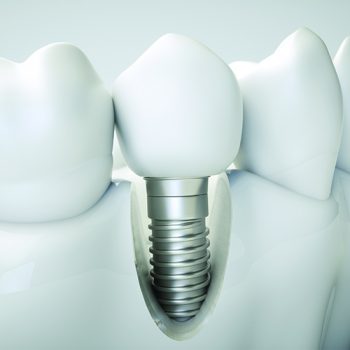
If a tooth is lost, whatever the reason, the bone in the surrounding area starts to degenerate. This is a natural process of the body and the only way to prevent it is to replace the lost tooth.
If you wish to have a dental implant but there is insufficient bone tissue for the metal component to be fitted, we may recommend a bone grafting.
Are bone grafts an essential part of having dental implants?
Bone grafting isn’t always required when someone needs a dental implant. We carry out a full examination to determine if the bone loss is severe enough to require a graft. Else, if it can be avoided with the use of short implants.
We talk through the options with you and discuss our findings and recommendations for treatment. If bone grafting is a necessary step, it can make further treatment more successful.
The different types of bone grafting are as follows:
Guided bone augmentation- this is the most common type of bone graft and is really natural looking. We add material, either synthetic material or animal-derived bone substitutes, around the implant. It helps the final crown blends in with the rest of the teeth.
Block grafts – This is a more radical process. If a lot of bone has been lost from the front of the upper jaw we will relocate bone from the patient to restore it. We will often look for alternative solutions before resorting to this.
When necessary, bone grafting is a very useful procedure. We usually use a CT scanner to assess the bone levels and make a full assessment of the best course of treatment. We explain the process fully to you so you know exactly what the treatment entails and why we have recommended it.
After a long period after a tooth has been lost the bone often shrinks away and becomes too thin to place an implant. New bone can be ‘harvested’ from various places shaped and secured underneath the gum. A healing period of several months will be necessary before an implant can be placed.